Let’s face it: the edge has long been a “necessary evil.” Nobody wants fat servers, complex infrastructure, and constant management headaches in remote locations, but it’s been unavoidable. The cloud, while powerful, can’t solve everything, especially when it comes to the low-latency, GPU-intensive demands of modern AI, or the pervasive issue of vendor lock-in. My contention? This old way of thinking about the edge is over.
If the original Raspberry Pi was that plucky, credit-card-sized marvel that let hobbyists and tinkerers dream up all sorts of clever, small-scale computing projects, then the Cisco Unified Edge is like its ridiculously buff, impeccably dressed, and highly intelligent older sibling who just graduated from a top-tier business school with a PhD in AI.
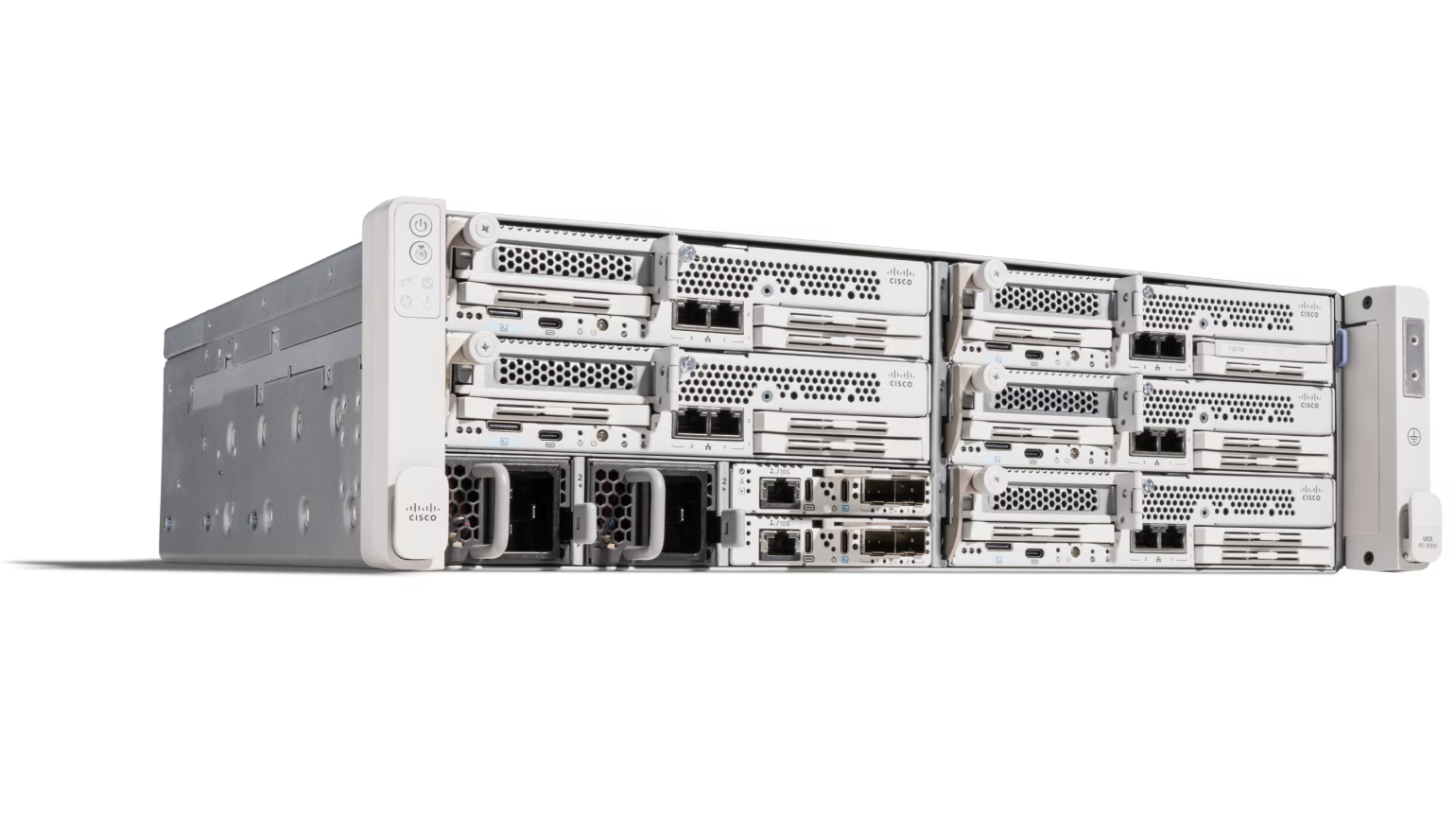
Cisco’s new Unified Edge isn’t just another product; it’s a total mind change. We want less at the edge – less complexity, less hardware – but more power where it counts. AI needs GPUs and low latency, and you can’t always get that efficiently from the cloud.
This platform addresses that head-on. It’s an integrated, modular system combining compute, networking, storage, and security, purpose-built for distributed AI workloads. It brings the necessary power, including GPU support, right to the source of data generation. Think real-time AI inferencing on a factory floor or in a retail store, without the latency penalty of sending data halfway across the globe.
Crucially, it’s not the “same old architecture.” Cisco Unified Edge simplifies operations with features like zero-touch deployment and centralized management via Cisco Intersight, transforming the edge from a burden to a strategic asset. Security is baked in, addressing the expanded attack surface of distributed environments.
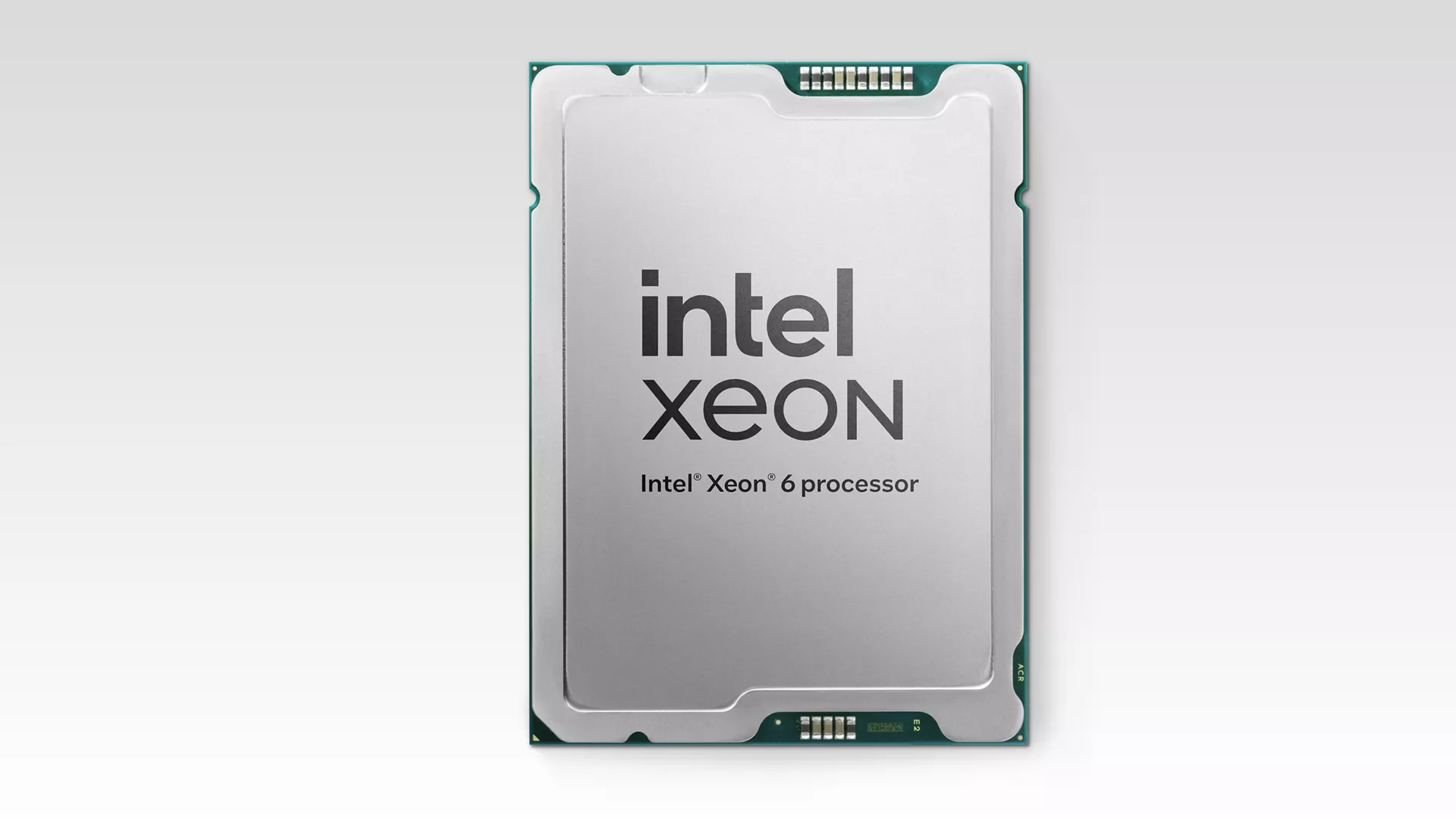
This isn’t just about putting more powerful chips at the edge; it’s about a fundamental architectural shift at the edge, driven by the integrated power of a System on a Chip (SoC). Instead of separate, bulky components for compute, networking, and security, Cisco Unified Edge leverages Intel Xeon 6 SoC processors. This level of integration is the game-changer, allowing for a far more compact, efficient, and unified platform that delivers the necessary AI-ready performance, including GPU support, without the traditional sprawl and complexity. It’s how Cisco achieves “less at the edge” in terms of physical footprint and management overhead, while simultaneously providing “more power” right where real-time AI inferencing and agentic workloads need it most, truly transforming the edge from a patchwork of devices into a cohesive, intelligent brain.
As Cisco’s Jeetu Patel noted, “Today’s infrastructure can’t meet the demands of powering AI at scale”. Cisco Unified Edge changes that. It provides the raw compute and GPU muscle for demanding AI at the edge, but in a lean, intelligent, and manageable way. It transforms the edge from a reluctant necessity into a strategic advantage, allowing sophisticated capabilities to flourish where they’re needed most.
This is a different way of thinking at the edge, and I like it. A lot. It’s going to change the game.
 cantechit - Technology and IT BLOG