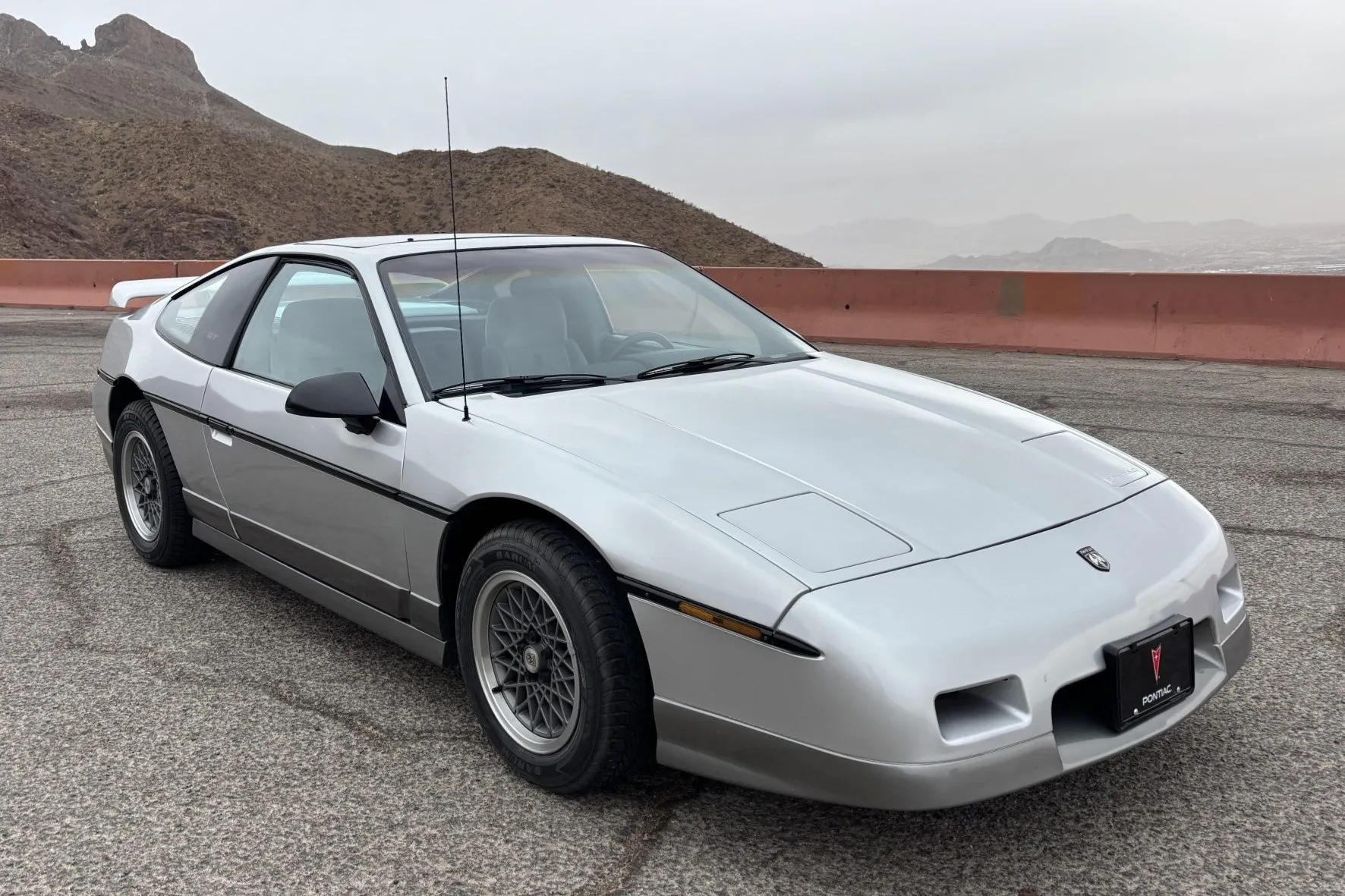
I spent a lot of nights in the 90s under the hood of a 1985 Pontiac Fiero trying to get it under 12 seconds in the quarter mile. Mid-engine, plastic body panels, and a car that was never really designed for what I was asking it to do. Every tenth of a second required another part I could barely afford and another weekend of work. That was the scale of innovation we cared about back then. You celebrated a meaningful improvement because the gains were hard and the budget was real.
I need to pause for just a moment… “Roadster” What? This isn’t a roadster, it is a supercar, and not a roadster.
Now we’re looking at a car that claims 0-60 in under a second. The number feels absurd until you remember the actual hard problem in high-performance cars has almost never been making more power. It’s getting that power to the ground without the tires just spinning. More power, more traction. We struggled with traction at 175HP…. this is 1300+ HP.
Getting the Power Down
Tesla’s team has been living with versions of that constraint for years. With the Roadster they stepped outside the usual toolbox: cold-gas thrusters, a suction system so the car can stick to a ramp upside down, and enough control software to keep the whole thing pointed roughly the right way while it does it. How many sensors does this thing have to have thruster controlled autopilot!?
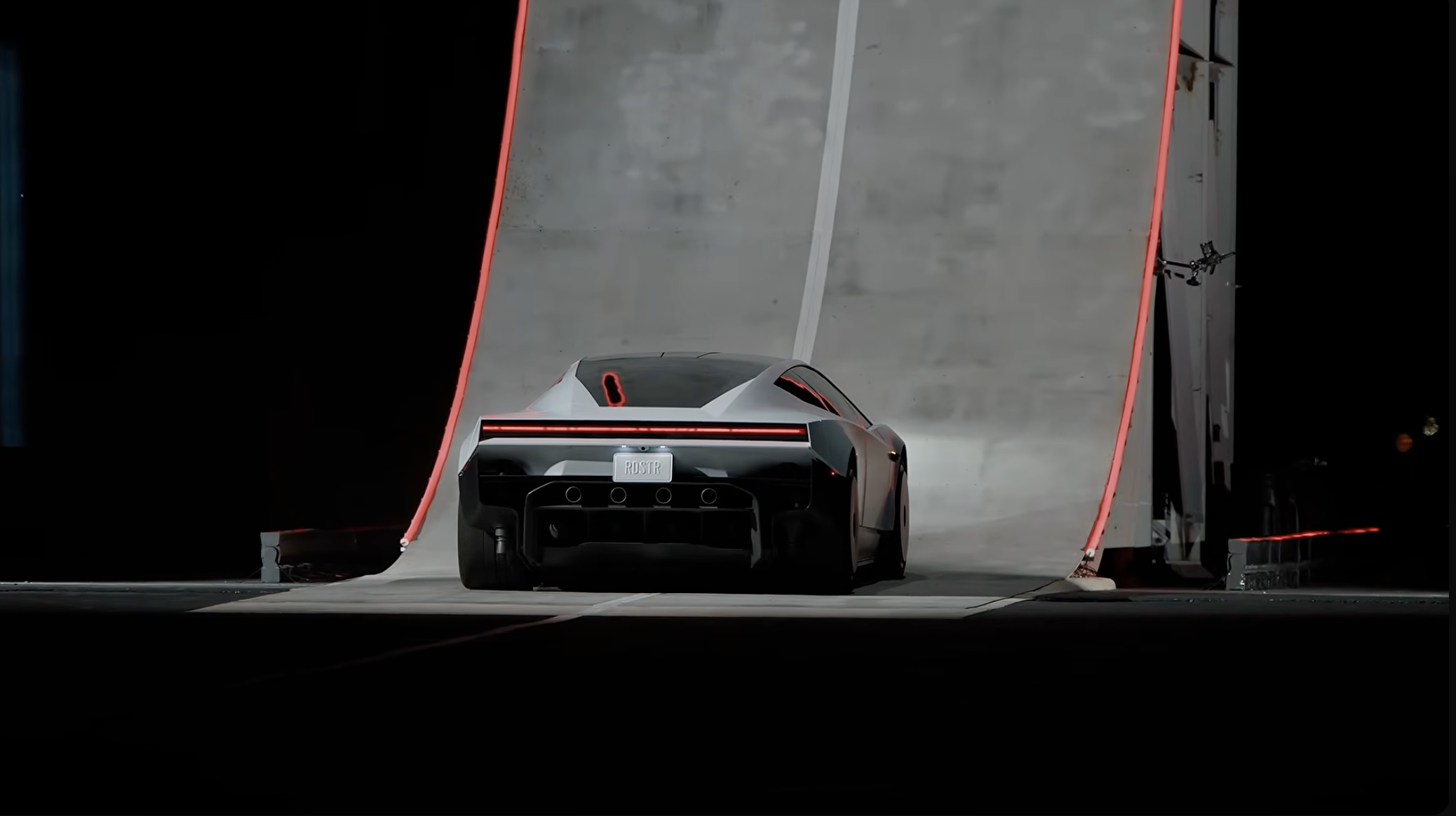
I think the production version with the rockets and the suction system actually happens — just not as something you drive to the grocery store. It feels like a dedicated track weapon. Loud, extreme, and deliberately outside the normal rules. Which raises the obvious next question: what class do you even put it in? NHRA isn’t set up for rocket-assisted launches. Time attack regulations weren’t written with thrusters in mind. It’s a little too much car for the boxes that already exist and not quite the right shape for the ones people might invent later. Sanctioning bodies are going to have to figure it out, ignore it, or create something new. I have no idea which way that goes, but the problem is real either way. They still struggle with EVs.
Why the Innovation Swing Still Matters
That’s still useful. The original Roadster was a Lotus chassis with an electric drivetrain. It almost bankrupted the company, it was expensive and imperfect, and it still proved that a battery-electric car could be a desirable sports car instead of a compliance vehicle. Traditional automakers had no urgent reason to move until the Model 3 and Model Y made the volume and the product good enough that they had to respond. German engineers who tore down early Model 3s were struck by how compact, modular, and integrated the power electronics were. Porsche and Audi later adjusted their own platform because the Model 3’s cost and packaging were better than expected. Ford’s Jim Farley has said tearing down a Model 3 was humbling — their Mach-E carried significantly more wiring. Those reactions don’t happen if nobody takes the early, expensive swing.
The Engineers, Not the Politics
Elon is polarizing. Plenty of people will dismiss the whole thing for that reason alone. The counter is straightforward: there are thousands of engineers, technicians, manufacturing people, and individual shareholders who do not share his politics and still show up to solve the hard problems. The 48-volt low-voltage architecture that first showed up in volume on the Cybertruck is one clear example. Higher voltage means lower current for the same power, which means thinner wiring, less weight, and the ability to support more actuators without massive harnesses. Tesla shared the approach so others could use it. Structural battery packs, large single-piece castings, and motors that keep pushing power density while reducing reliance on constrained materials are other examples of the same pattern. None of them are perfect. All of them force competitors to re-check assumptions that used to feel permanent.
Build It Anyway
The Cybertruck has not been a conventional success by most measures, and it still forced the industry to look at 48-volt systems, large castings, and a different way of thinking about body structure. Build the Roadster with the rockets and the suction system, even if it stays a low-volume track car that sanctioning bodies don’t know what to do with. Even if it never becomes the next Model 3. It will still make everyone else pause and re-evaluate what’s possible. That’s usually how the next round of useful work starts. The people who have to solve the traction problem, the packaging problem, and the control problem are still doing the work. Sometimes the only way to move the industry is to ignore the list of things everyone else has decided are off the table.
I know is this – build this thing, because even if it doesn’t become a huge success, like the Cybertruck, it will disrupt and give everyone pause.

